Business Storage for E-Commerce Sellers: Scaling Inventory Without a Warehouse in 2026
Business storage for e-commerce sellers has quietly become the growth lever few online founders talk about. You can build a great store, run sharp ads, and still stall the moment inventory outgrows your garage or spare room. Where you keep stock shapes how fast you ship, how much you spend, and whether your products arrive in perfect condition.
Across Saudi Arabia, a wave of independent sellers is scaling through marketplaces and their own storefronts. Yet leasing a full warehouse before the numbers justify it is a classic mistake. Flexible, on-demand storage bridges that gap, giving founders warehouse-grade conditions without warehouse-grade commitments.
Why Location and Conditions Beat Raw Space
Plenty of new sellers chase the cheapest square metre they can find. That is the wrong metric. A cheap, unregulated space that bakes in the afternoon sun can destroy more value in a single summer than years of rent savings.
Think about what you actually sell. Cosmetics degrade in heat. Batteries swell. Packaging fades. The right environment protects the margin you worked so hard to earn.
Three Questions Before You Rent
- How temperature-sensitive is my product? This decides whether ambient space is enough or you need controlled conditions.
- How fast do I need to fulfil orders? Retrieval speed matters as much as storage itself.
- How predictable is my demand? Seasonal spikes call for flexible, scalable contracts.
Choosing the Right Environment for Your Stock
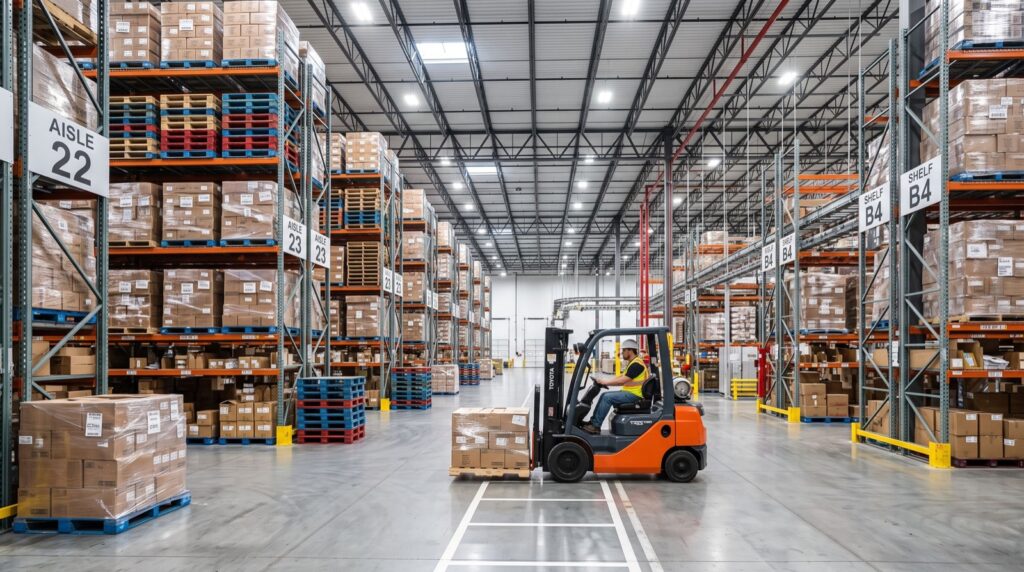
General merchandise, apparel, and shelf-stable goods usually thrive in standard indoor conditions. For these, Ambient Storage In Riyadh gives sellers a stable, cost-effective base that keeps stock protected from the outdoor heat without paying for climate control you do not need.
Electronics are a different story. Phones, wearables, smart-home gadgets, and their lithium batteries hate heat and humidity. Dedicated Storage for Electronics & Smart Devices holds these items at controlled temperatures, protecting both function and resale value.
Storage Fit by Product Category
| Product Type | Environment | Key Risk if Ignored |
|---|---|---|
| Apparel & accessories | Ambient | Fading, musty odours |
| Home & general goods | Ambient | Dust, minor warping |
| Smartphones & wearables | Controlled / electronics | Battery degradation |
| Cosmetics & skincare | Controlled | Separation, spoilage |
| Printed packaging | Dry | Warping, moisture damage |
Turning Storage Into a Fulfilment Advantage
Storage stops being a cost and starts being an advantage the moment it speeds up your shipping. Fast, accurate order fulfilment drives repeat purchases, and repeat purchases are where e-commerce profit truly lives.
A Six-Step System for Lean Inventory
- Categorise stock by turnover: fast, medium, and slow movers.
- Keep fast movers closest to the packing area.
- Track quantities with a simple inventory tool, not memory.
- Set reorder points so you never run dry on best-sellers.
- Store seasonal overflow off-site until demand returns.
- Audit stock monthly to catch shrinkage and slow-moving dead weight.
A founder I advised sold phone accessories from a two-bedroom flat and hit a ceiling every peak season. Moving her core stock to controlled off-site storage and keeping only a week’s fast movers at home cut her packing time roughly in half and ended the summer battery swelling that had eaten into returns.
The same system scales as you grow. Once your inventory tracking is disciplined, adding a new product line or a second sales channel no longer means chaos, because every SKU already has a defined home, a reorder point, and a clear place in your fulfilment flow. Order becomes the foundation that lets ambition run.
Do Not Overlook Safe Battery Handling
Lithium batteries need respect. Heat accelerates degradation and, in rare cases, safety incidents. Follow recognised guidance such as the shipping and storage safety resources from the International Air Transport Association lithium battery program to keep your inventory and your customers safe.
The Hidden Costs of Getting Storage Wrong
New founders often compare storage options on monthly price alone. That view misses the costs that quietly erode profit. Damaged stock, slow fulfilment, and mispicks all cost real money that never shows up on the storage invoice.
Consider damaged inventory first. A single summer in an unregulated space can write off a batch of heat-sensitive goods worth far more than a year of climate-controlled rent. Then add the softer costs: hours lost searching disorganised shelves, refunds from late shipments, and the reputation hit from negative reviews.
Comparing True Cost, Not Sticker Price
| Factor | Cheap Unregulated Space | Managed Off-Site Storage |
|---|---|---|
| Monthly rent | Lower | Higher |
| Product damage risk | High | Low |
| Retrieval speed | Slow, manual | Fast, organised |
| Scalability | Rigid | Flexible |
| True total cost | Often higher | Often lower |
Viewed this way, the “expensive” option frequently wins on total cost. Protecting margin is the whole point of storing stock well in the first place.
Preparing Inventory for White Friday and Peak Sales
Saudi e-commerce peaks hard around White Friday and Ramadan. Sellers who prepare their inventory and storage ahead of these events capture the surge; those who scramble lose sales to stockouts and shipping delays.
Build a peak-season plan a month out. Forecast your best-sellers, pre-position extra stock in accessible storage, and confirm that retrieval and dispatch can handle a sudden volume jump. The founders who treat storage as part of their sales strategy, not an afterthought, are the ones who ship on time when it matters most.
How Do You Know When to Move Out of Home Storage?
The signal is usually obvious in hindsight. When boxes block hallways, when you cannot find stock during a rush, or when returns climb because items arrived heat-damaged, home storage has run its course.
Scaling out does not mean signing a warehouse lease overnight. Flexible off-site storage lets you grow in steps, and pairing it with an experienced local team means someone reliable handles the space while you focus on selling.
Frequently Asked Questions
When should an e-commerce seller move to off-site storage?
Once inventory disrupts your living space or slows fulfilment, it is time. Many Saudi sellers make the jump when they hold more than a few hundred SKUs or face recurring seasonal spikes they cannot manage at home.
Is ambient storage enough for most online products?
For apparel, general merchandise, and shelf-stable goods, yes. Reserve controlled or electronics-grade storage for batteries, cosmetics, and anything sensitive to heat or humidity.
Can flexible storage handle seasonal demand spikes?
That is exactly its strength. Scalable contracts let you expand for peak periods like Ramadan or White Friday, then reduce space when volumes normalise, so you never pay for empty shelves.
How do I protect electronics stock during Saudi summers?
Store devices in controlled, temperature-stable units, keep batteries at partial charge, and avoid direct sunlight. Dedicated electronics storage handles all three conditions automatically.
The Bottom Line
Smart business storage for e-commerce sellers protects your stock, speeds your shipping, and lets you scale without a warehouse-sized gamble. Match each product to the right environment, run a lean inventory system, and treat flexible off-site space as a growth tool rather than a cost. Build that foundation in 2026, and your store can grow as fast as your ambition. Review your inventory setup this week and find its next home.